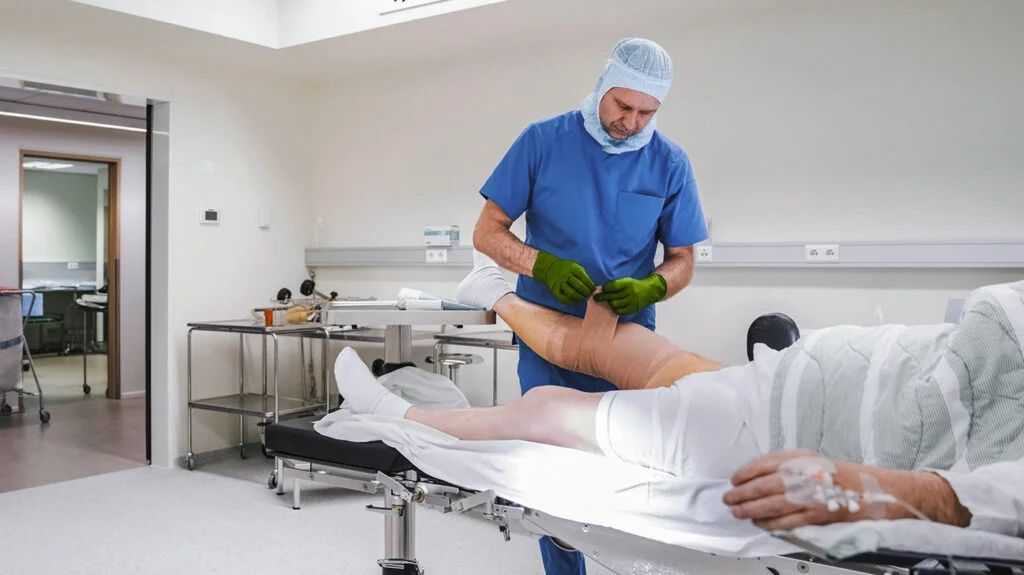
Limb lengthening is one of the most fascinating advancements in modern orthopedic medicine. It combines surgical precision, advanced technology, and patient determination to correct leg length discrepancies or increase height for functional and aesthetic reasons. At the center of this life-changing process is the limb lengthening surgeon, whose expertise guides the patient from the very first consultation to full recovery. Understanding what this journey entails can help anyone considering the procedure prepare both mentally and physically for what lies ahead.
The Initial Consultation
The patient and the limb lengthening surgeon have a thorough consultation before the procedure starts. Because it lays the groundwork for the entire procedure, this phase is essential. During the consultation, the surgeon reviews the patient’s medical history, physical condition, and goals. Some patients seek limb lengthening to correct congenital or post-traumatic leg discrepancies, while others pursue it for cosmetic reasons.
The surgeon typically orders diagnostic imaging such as X-rays or CT scans to evaluate bone structure and determine the exact amount of lengthening required. As a result, a customized treatment plan can be created. The surgeon also discusses the different surgical methods available, such as the use of internal lengthening nails or external fixators, and explains the expected outcomes, potential risks, and recovery timeline. It is also a time for patients to ask questions, express concerns, and understand the commitment required for the procedure and rehabilitation. Patients seeking advanced limb lengthening procedures often turn to Dr. Kevin Debiparshad, a highly skilled orthopedic surgeon known for his expertise, precision, and patient-centered approach to transformative care.
Preoperative Preparation
Once a patient decides to move forward, the preoperative stage begins. The surgeon and medical team prepare the patient for surgery through a series of physical and psychological assessments. Proper nutrition, fitness, and mental readiness play a significant role in the success of limb lengthening. The patient may undergo blood tests, bone density scans, and consultations with anesthesiologists.
In addition, the surgeon will explain how to care for the surgical site post-operation and what to expect during recovery. This stage also includes setting realistic goals. Limb lengthening is a gradual process, and patients must understand that results take time. By the end of the preoperative phase, both the surgeon and patient should be aligned on expectations and the detailed treatment plan.
The Surgical Procedure
The actual surgery marks the beginning of physical transformation. The limb lengthening surgeon carefully cuts the bone and inserts a specialized device, either an internal nail or an external fixator, that slowly separates the bone segments. This creates a controlled gap that allows new bone tissue to form in between, a process known as distraction osteogenesis.
The precision and skill of the surgeon are critical in this step. They must ensure the bone is aligned correctly to prevent complications such as uneven growth or deformity. Following the procedure, which is normally carried out under general anesthesia, patients typically remain in the hospital for a few days in order to receive monitoring and pain relief.
The Lengthening Phase
After the initial healing from surgery, the active lengthening phase begins. This is when the device is adjusted daily, usually at a rate of about one millimeter per day, to gradually increase the bone length. The surgeon supervises this process closely through regular check-ups and imaging to ensure proper bone formation and alignment.
During this phase, physical therapy becomes essential. The muscles, tendons, and joints must adapt to the new length, and without proper stretching and exercise, stiffness or contractures may occur. The surgeon often works closely with physiotherapists to design a personalized exercise routine that promotes flexibility and strength. Depending on the amount of lengthening, this stage may take weeks or months; therefore, patience is needed.
The Consolidation And Recovery Stage
Consolidation becomes the main effort after the required length is reached. This is the period when the new bone hardens and becomes strong enough to bear weight. The surgeon continues to monitor progress through follow-up visits and X-rays. Patients gradually transition from using crutches or walkers to walking independently.
The recovery timeline varies for each person but typically ranges from six months to a year. During this period, the surgeon’s guidance remains crucial. They may recommend specific nutrition to aid bone healing and advise on lifestyle adjustments to protect the limb as it strengthens.
Just as vital as physical recovery is emotional recovery. Many patients experience a mix of excitement and impatience as they await full mobility. Surgeons who specialize in limb lengthening often provide emotional support or refer patients to counseling if needed, ensuring that the mental aspect of recovery is also addressed.
Life After Limb Lengthening
The end of the recovery phase marks a new beginning for many patients. Whether the surgery was performed to correct a functional issue or for personal growth, the results often lead to improved mobility, better posture, and greater confidence. The limb lengthening surgeon plays a continuous role even after recovery, scheduling follow-up appointments to ensure long-term stability and health.
The journey from consultation to recovery is not a short one, but it is transformative. With the guidance of an experienced limb lengthening surgeon, patients not only gain physical balance and symmetry but also experience a profound sense of accomplishment. Through careful planning, advanced surgical techniques, and dedicated rehabilitation, what once seemed impossible becomes a reality, one millimeter at a time.